Medieval Guilds Had Apprentices and Health Coverage. Tokenized Cooperatives Want It All Back.

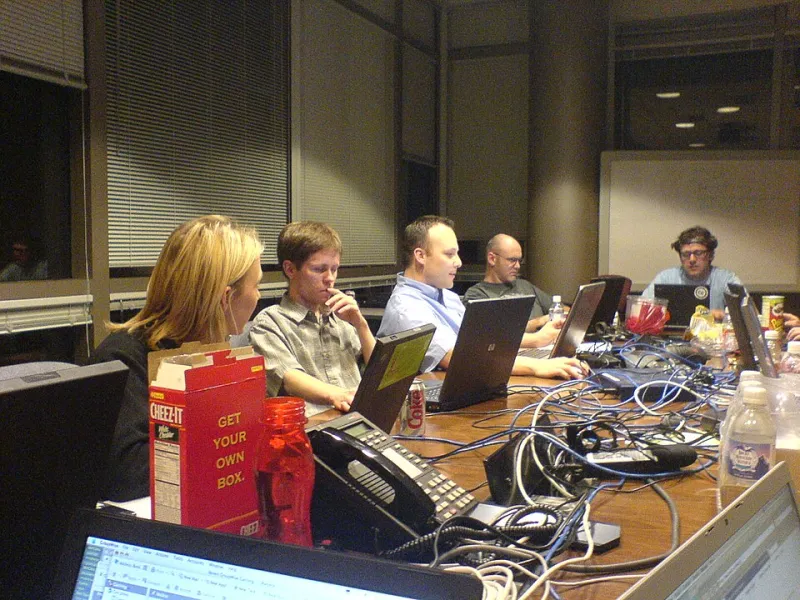
Photo: diverse freelancers collaborating in modern coworking space laptops, via img.freepik.com
The freelancer economy has a benefits problem, and everyone in it knows it. No 401(k) match. No employer-sponsored health plan. No HR department to chase down a late invoice. For a decade, the standard answer was 'just get a better accountant.' Now a growing number of web3-native collectives are trying a different answer: rebuild the guild.
The old craft guilds — the ones that ran medieval Florence — had a pretty good package. Pooled work, shared tools, apprentice pipelines, even mutual aid funds for sick members. The modern freelancer collective is attempting the same thing, just with tokens instead of wax seals.
What a Tokenized Guild Actually Looks Like
Strip away the crypto jargon and the model is simple. A group of independent workers incorporates as a cooperative or LLC, issues membership tokens, and routes client work through a shared treasury. When a project gets paid out, a smart contract splits revenue between the worker, the treasury, and whatever benefits fund the group has voted to maintain.
Governance happens on-chain. Members vote on everything from minimum project rates to whether to add dental coverage to the benefits pool. Your voting weight is usually tied to your stake or tenure — a mechanic that keeps the most committed members steering the ship.
It's not theoretical. A handful of US-based collectives are running versions of this right now.
Three Guilds Worth Watching
GuildOne-style design cooperatives. Several designer collectives operating out of Austin and Portland have adopted the co-op-plus-token structure: a traditional cooperative LLC as the legal wrapper, with tokens representing membership stakes and voting rights. Members pool client leads, and the co-op takes a small percentage to fund shared software licenses and a group health stipend.
Developer guilds with revenue-split contracts. A cluster of Solidity-heavy dev guilds — many organized through Discord before formalizing as Wyoming DAO LLCs — route client engagements through multi-sig wallets. Payouts execute automatically, and a voted-upon percentage flows into a treasury that covers members' health insurance premiums through private plans.
Creator co-ops with pooled benefits. Smaller content and media collectives have started using token-gated membership to negotiate group rates on tools, insurance, and even coworking spaces. The token itself is less about speculation and more about proof of membership — think of it as a gym membership card that also lets you vote on the gym's rules.
Does a Token Actually Protect You?
Here's where the enthusiasm meets reality. A token is not a health plan. A token is not workers' comp. What tokens do well is coordinate — they make membership legible, voting enforceable, and revenue splits transparent.
What they don't do, by themselves, is provide the legal protections that employment law attaches to employees. If a guild member gets stiffed by a client, a smart contract can't sue. If someone's health stipend runs out mid-year, there's no ERISA to fall back on. The protections that matter most to American freelancers still come from the legal wrapper — the co-op, the LLC, the actual insurance policy — not the token.
The honest framing: tokens are the coordination layer, not the safety net. The guilds that work treat them that way.
The Legal Gray Zone
Then there's the question that keeps crypto-native employment lawyers busy: at what point does a cooperative look like an employer?
US employment law draws a hard line between independent contractors and employees, and the tests vary by state. California's ABC test is famously strict. A tokenized collective that assigns work, sets rates, and provides tools is flirting with reclassification risk — even if the members all call themselves co-owners.
Some structures help. Wyoming's DAO LLC law gives decentralized organizations a recognized legal form. Cooperative corporations in states like Colorado and New York have a century of precedent. But layering token governance on top of a co-op creates genuinely novel questions. Can a token vote constitute a binding employment decision? Who's liable if a smart contract misclassifies a payment?
Nobody has a clean answer yet. The guilds surviving longest are the ones that keep a real lawyer on retainer and treat the on-chain layer as bookkeeping, not a legal shield.
Why It Might Still Work
The pessimist's read is that this is a co-op with extra steps and a tax headache. But that undersells what's changed.
Co-ops have always struggled with two things: coordination costs and member engagement. Token governance attacks both. Transparent treasuries mean less trust required. On-chain voting means members actually participate. Automatic revenue splits mean the treasurer's job stops being a volunteer nightmare.
And the underlying demand is real. There are tens of millions of independent workers in the US, and surveys consistently show they want the same things guilds offer: steady pipelines of work, affordable benefits, and a professional community. The traditional employer won't provide those anymore. The tokenized guild is one of the few structures even attempting to.
The Takeaway
If you're a freelancer eyeing one of these collectives, the checklist is short: look at the legal wrapper first, the benefits second, the token third. Ask who holds the treasury keys. Ask what happens if the co-op dissolves. Ask whether the health stipend is a real policy or a promise.
The guild revival is genuinely promising — it's just that the medieval part worth copying was never the regalia. It was the shared risk. Tokens make that easier to coordinate. They don't make it automatic.